

Embracing Grace: Intentional Walking for Enhanced Wellbeing

Walking is one of the simplest ways to improve wellbeing, yet it often goes unnoticed as a powerful tool for mental, emotional, and physical health. Moving through life with intention and lightness can transform a routine activity into a meaningful practice. This post explores how embracing grace in your footsteps can deepen your connection to yourself and the world around you, enhancing overall wellbeing.
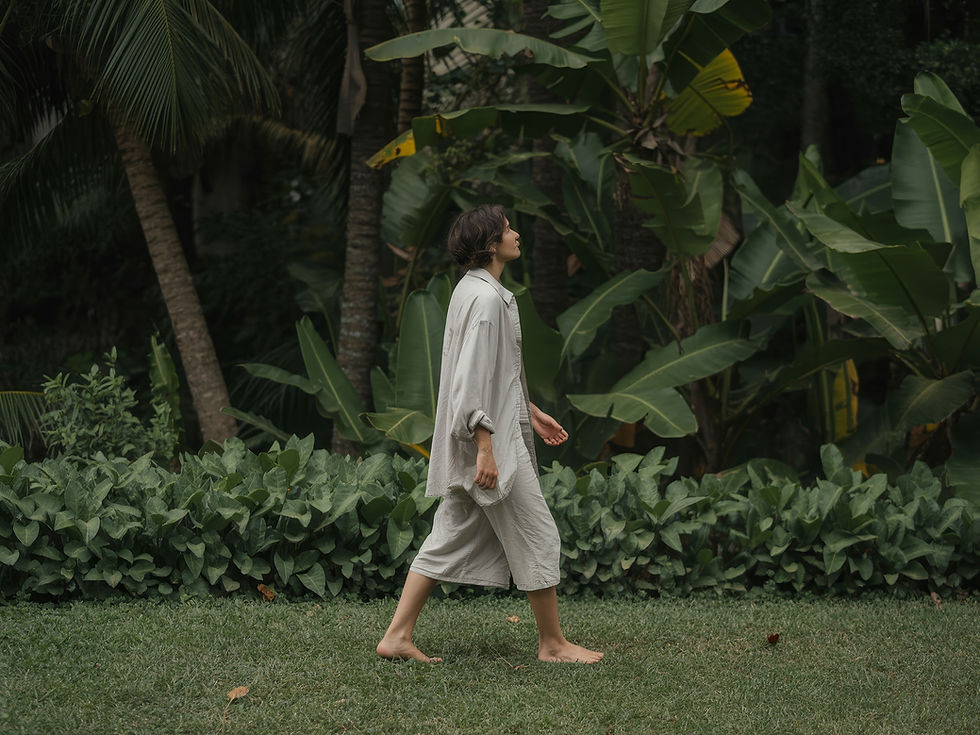
The Power of Intentional Walking
Intentional walking means more than just putting one foot in front of the other. It involves being fully present in the moment, aware of your body, breath, and surroundings. This practice encourages mindfulness, which has been shown to reduce stress, improve mood, and increase focus.
When you walk with intention, you slow down enough to notice details that usually escape your attention: the texture of the ground beneath your feet, the rhythm of your breath, the sounds of nature or city life. This awareness creates a sense of calm and clarity.
Scientific research shows that intentional, nature-based walking can significantly enhance mood, reduce stress and support mental wellbeing — particularly when combined with mindful attention to the environment and body.
(https://link.springer.com/article/10.1007/s12144-023-05112-z?) Systematic reviews reveal that mindful walking practices improve psychological outcomes such as anxiety, stress and heart health (https://www.mdpi.com/2673-5318/6/4/122).
“Walking isn’t about escaping life; it’s about returning to yourself, one intentional step at a time.”
How Intentional Walking Supports Wellbeing
Reduces stress and anxiety by shifting focus away from worries and toward the present moment.
Improves physical health through gentle exercise that supports cardiovascular health and muscle tone.
Enhances mental clarity by encouraging a meditative state that refreshes the mind.
Boosts mood by releasing endorphins and connecting you with nature or your environment.
Encourages self-reflection by providing quiet time to process thoughts and emotions.
Steps to Practice Walking with Grace and Intention
You don’t need special equipment or a gym membership to start. Here are practical steps to make your walking practice more intentional and graceful:
Set an intention before you begin
Decide what you want to focus on during your walk. It could be gratitude, relaxation, or simply noticing your surroundings.
Start with mindful breathing
Take a few deep breaths to center yourself. Feel the air entering and leaving your lungs.
Walk slowly and deliberately
Pay attention to each step. Feel your heel touch the ground, then your toes. Notice how your weight shifts.
Engage your senses
Listen to sounds, observe colors and shapes, smell the air. Let your senses anchor you in the present.
Maintain good posture
Keep your shoulders relaxed, spine straight, and head lifted. This supports both physical ease and mental alertness.
Use a gentle gaze
Look ahead softly rather than staring intensely. This helps maintain calm and openness.
Reflect or meditate if you wish
You can silently repeat a positive phrase or simply observe your thoughts without judgment.
“Grace is found in the rhythm of mindful movement—when the body slows down, the mind learns to breathe again.”
Walking as a Form of Moving Meditation
Many people find walking meditation more accessible than sitting meditation. It combines movement with mindfulness, making it easier to stay focused. Walking meditation has roots in Buddhist traditions but can be adapted to any lifestyle.
Try this simple walking meditation exercise:
Choose a quiet place with minimal distractions.
Walk at a slow pace.
Focus on the sensation of your feet touching the ground.
When your mind wanders, gently bring your attention back to your steps.
Continue for 10 to 20 minutes.
This practice can help reduce mental clutter and cultivate a peaceful state of mind.

Incorporating Intentional Walking into Daily Life
You don’t need to set aside large chunks of time to benefit from intentional walking. Small moments throughout the day can add up.
Walk to work or school instead of driving when possible.
Take short mindful breaks during work hours to stretch your legs and breathe deeply.
Explore new routes in your neighborhood to keep your senses engaged.
Walk after meals to aid digestion and clear your mind.
Use walking as a way to connect with friends or family by sharing a quiet stroll.
By making walking a regular part of your routine, you build a habit that supports long-term wellbeing.
“Intentional walking turns ordinary moments into acts of care, reminding us that wellbeing is built step by step.”
The Role of Environment in Walking Practice
Where you walk influences your experience. Natural settings like parks, forests, or beaches often enhance feelings of peace and connection. Urban environments can also offer rich sensory experiences if approached with attention.
Consider these tips for choosing your walking environment:
Find places with minimal noise and distractions.
Look for green spaces or areas with natural elements.
Choose safe, comfortable paths with good footing.
Vary your routes to keep your practice fresh and engaging.
Even a short walk around a quiet garden or a tree-lined street can provide restorative benefits although research comparing nature walks with urban walks shows significantly lower anxiety, stress, and improved mood when walking in natural environments (https://www.sciencedirect.com/science/article/abs/pii/S1618866725000603?). Another systematic review and meta-analysis found that walking in natural environments significantly reduces symptoms of anxiety and depression (https://www.mdpi.com/2077-0383/11/6/1731).

“To walk with grace is to honor where you are, without rushing toward where you think you should be.”
Moving Through Life with Intention and Light
Walking with grace is more than a physical act; it is a metaphor for how we move through life. When we approach each step with care and awareness, we cultivate resilience, patience, and joy.
This mindset encourages us to:
Slow down and appreciate the present.
Let go of unnecessary burdens.
Embrace change with openness.
Connect deeply with ourselves and others.
Intentional walking teaches us to move lightly, not just on our feet but in our hearts and minds.


Comments